Uncovering the Truth: How Background Checks Enhance Community Safety and Reputation Management
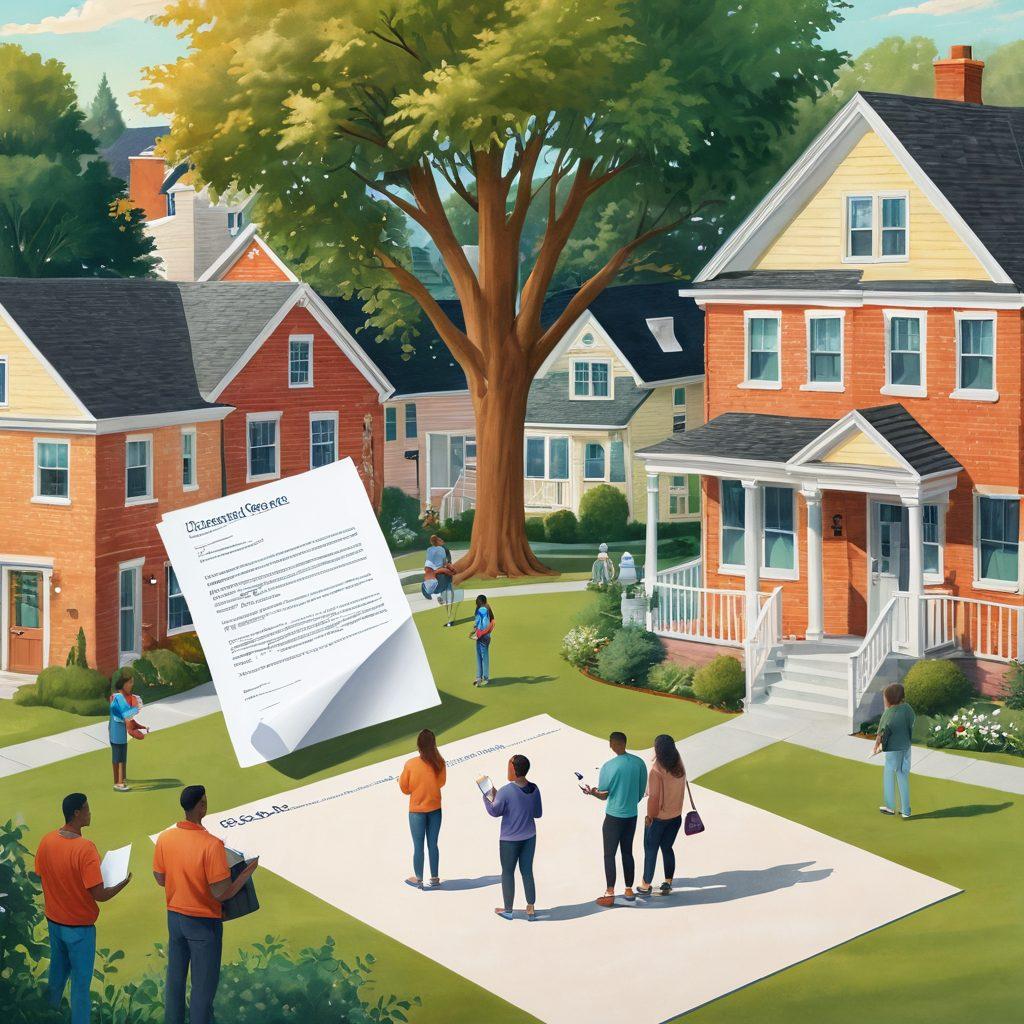
In a world where safety is paramount, more and more communities are turning to background checks as a powerful tool for fostering trust and enhancing security. Imagine living in a neighborhood where you could confidently feel safe in your home, walk your dog without worry, or let your kids play outside freely. The role of background checks in protecting neighborhoods is pivotal, providing a layer of security that not only benefits individuals but also uplifts entire communities. By conducting due diligence through personal background checks, we can significantly mitigate the risks posed by potential offenders, creating a more harmonious environment.
Have you ever wondered who your neighbors really are? It’s a question as old as time. The truth is, many individuals may have hidden pasts, clouded by a criminal history that could pose risks to community safety. With the rise of screening services and lawful research, residents are empowered to perform credential checks, ensuring that those who live among them are trustworthy. After all, as Benjamin Franklin said, "An ounce of prevention is worth a pound of cure"—and this couldn’t be truer when it comes to vetting individuals in our neighborhoods.
Consider the idea that a safe community is built on transparency and trust. Through diligent data verification and an understanding of public documents such as arrest records and law enforcement records, we become more informed and equipped to identify potential threats. This proactive approach to risk assessment not only protects us from possible criminal activity but also contributes to a shared sense of responsibility among community members. What if the next simple act of conducting a background check leads to protecting a neighbor you care about?
Moreover, proper investigation services play a vital role in ensuring community trust. Surveillance and security checks help to vet potential residents, employees, or anyone who could become integrated into a neighborhood. When we trace individuals and screen for red flags, we can open the door to safe interactions and relationships. As the saying goes, "You can’t put a price on peace of mind." And isn’t peace of mind what every resident desires?
To further emphasize the significance of background checks, think about how they reinforce the framework of reputation management within a community. By instilling practices that include identity verification and thorough vetting processes, we collectively raise the standards of who can be a part of our neighborhoods. This not only helps in ensuring safe living spaces but also fosters a strong legacy of trust that reverberates throughout generations. So, next time you consider making your community safer, remember: a little research goes a long way in creating a foundation of security and integrity.
From Data Verification to Law Enforcement: Ensuring Safety Through Comprehensive Screening Services
In today's world, ensuring community safety and maintaining a reputable image is more critical than ever. With crime rates fluctuating and public trust in safety being tested, the demand for robust screening services is at an all-time high. Have you ever wondered how effective vetting can actually safeguard our neighborhoods? It all starts with data verification and thorough background checks, providing a comprehensive view of individuals that could impact your community. So let's dig deeper into how these practices contribute not only to safety but also to reputation management.
Imagine a scenario where someone you've recently hired shows up in your community, and just days later, you discover they have a criminal history that includes violent offenses. What do you do? This scenario is not far-fetched; it happens more often than we’d like to think. Personal background checks can act as a shield against potential risks. They can include a variety of criminal history checks, from arrest records to law enforcement records, illuminating the shadows of an individual’s past. By implementing thorough screening processes, we empower our communities to know who they’re dealing with, which vigilantly prevents future mishaps.
Quotes can often capture what we feel but can't articulate. As security expert George K. says, 'An ounce of prevention is worth a pound of cure.' This rings especially true when considering the ramifications of overlooking comprehensive background screenings. With services that trace individuals and scrutinize identity verification at every step, you can mitigate risks like a pro. The peace of mind that comes from understanding the silent stories of public documents and from credential checks cannot be underestimated, especially for businesses trying to forge their reputation strongly.
It's not just about hiring; it's about building a safe community. Risk assessment isn’t merely a business necessity; it’s a communal responsibility. Every individual who steps into our surroundings—be it a neighbor, employee, or service provider—brings along their past. And as we know, history has a way of revealing itself. When we incorporate investigation services into our vetting process, we extend our reach to ensure our community remains free from hidden threats. Think of it as community surveillance—keeping a watchful eye on the safety of everyone involved.
In the end, reputation management goes hand in hand with community safety. By prioritizing lawful research and employing robust screening services, we don't merely collect data; we assertively shape our surroundings. Are you ready to champion the fight for safety where you live? Whether you're a hiring manager, a community leader, or simply a resident, understand that a proactive approach to background checks is one way to stand guard against the shadows of previous offenders. Let’s embrace the power of information and turn the tide in favor of our collective safety.
Reputation Matters: Leveraging Criminal History Insights for Better Public Safety Strategies
In a world where reputation can make or break public perceptions, understanding the correlation between criminal history insights and community safety becomes paramount. We often brush off the importance of vetting individuals in our communities, but the truth is, reputational integrity can have a profound impact on public safety policies. Imagine walking through your neighborhood, feeling secure and confident in the individuals surrounding you. Wouldn’t it put your mind at ease to know you have taken proactive steps through effective screening services to ensure community welfare?
The stories of communities that thrived after leveraging criminal history insights testify to the importance of reputation. Consider a local business that decided to implement thorough background checks on all staff. By reviewing arrest records and conducting identity verification, they not only fostered a safe environment for their clients but also built a reputation that attracted more business. It becomes a positive cycle; as reputation improves, so does the community’s safety. In essence, a solid reputation rooted in lawful research can deter offenders and promote a more harmonious living space.
But how can we effectively harness the power of criminal justice information for better public safety strategies? One actionable step is to make personal background checks a norm for community organizations. When engaging in recruitment, whether for a non-profit, a school, or even a sports team, conducting risk assessments and credential checks is not just a legal formality—it’s an ethical responsibility. By tracing individuals through lawful avenues, we actively contribute to a safer environment and reassure the community about their well-being.
It’s crucial to realize that this isn’t just about legalities; it’s about human stories behind the data verification process. Every convict has a narrative, and every offender has a history that might warrant a second chance. Yet, what if we could segregate those who truly pose a risk from those who simply made past mistakes? By utilizing investigation services and surveillance insights, we can promote a more nuanced understanding of public safety. Wouldn’t it be fascinating if citizens could differentiate between minor infractions and serious felonies, enabling informed discussions around rehabilitation and community integration?
As we embrace the importance of reputation management in enhancing community safety, let’s consciously choose to elevate our standards through transparent practices. Implementing robust screening services, simplifying access to public documents, and conducting comprehensive investigations can collectively work towards a more trusting society. Ultimately, when communities push for higher standards through consistent vigilance and awareness, they create a ripple effect that can vastly decrease the threat of crime and uplift everyone. So, how can you integrate these strategies in your community to ensure it thrives and maintains its integrity?